
Veterinary 3 Head Locking T-Plate 2.0 mm for Small Animal Metaphyseal Fixation
Enhances stability in widened metaphyseal and periarticular bone regions.
Allows tailored fixation coverage for different fracture patterns.
Maintains alignment and reduces micromotion during healing.
Optimized for fine-bone stabilization in small animal orthopedics.
Minimizes soft tissue irritation and supports smoother recovery.

Description
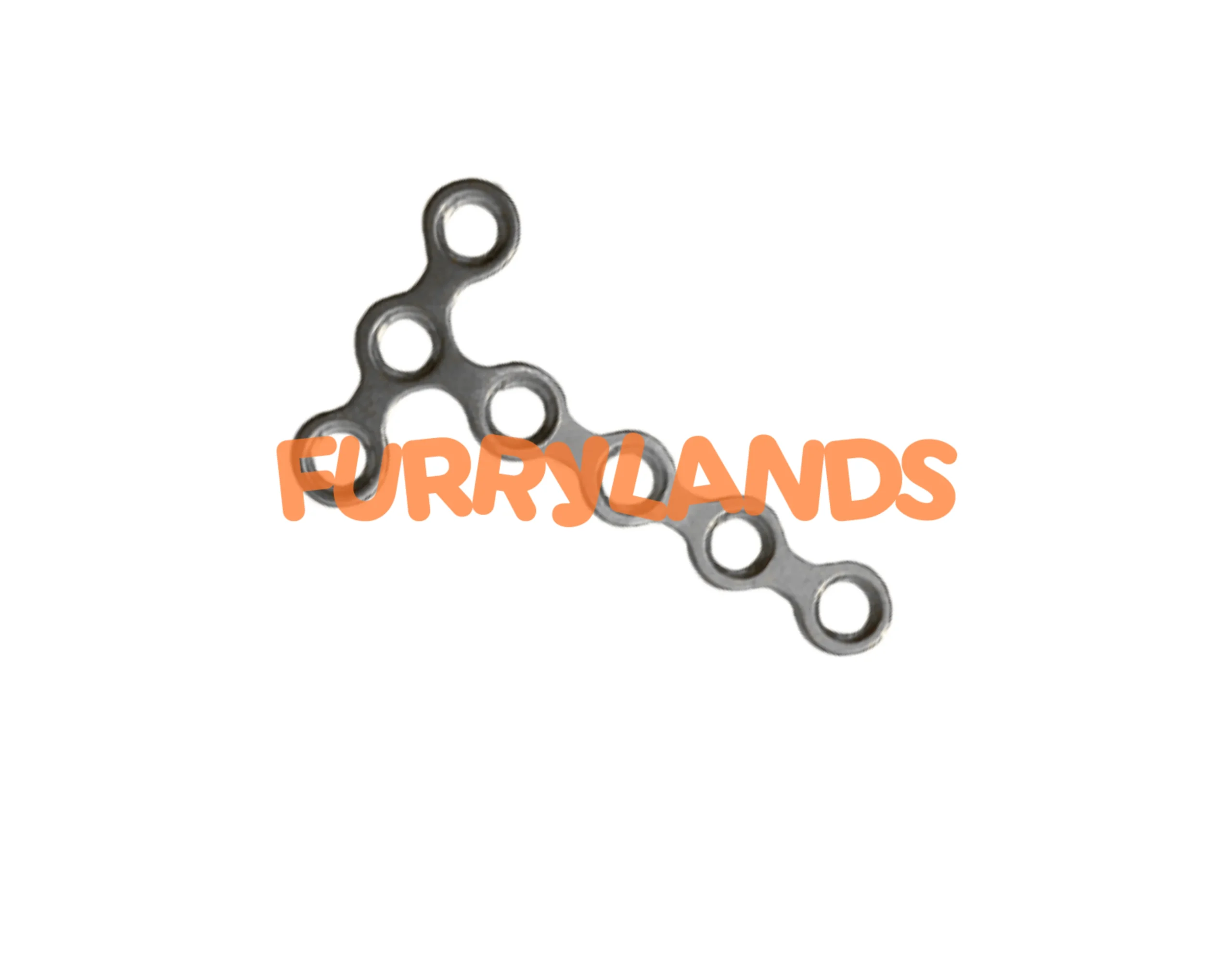
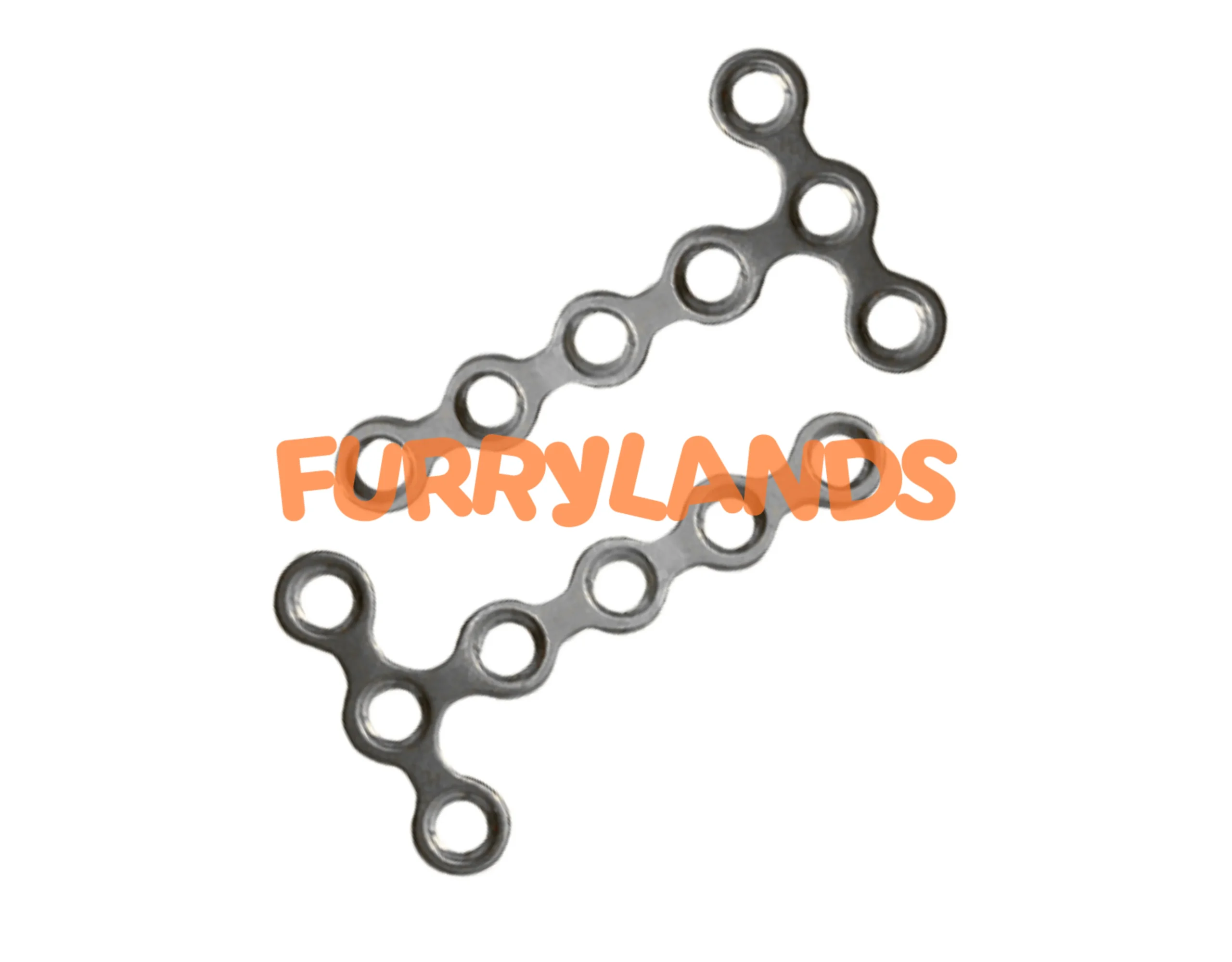
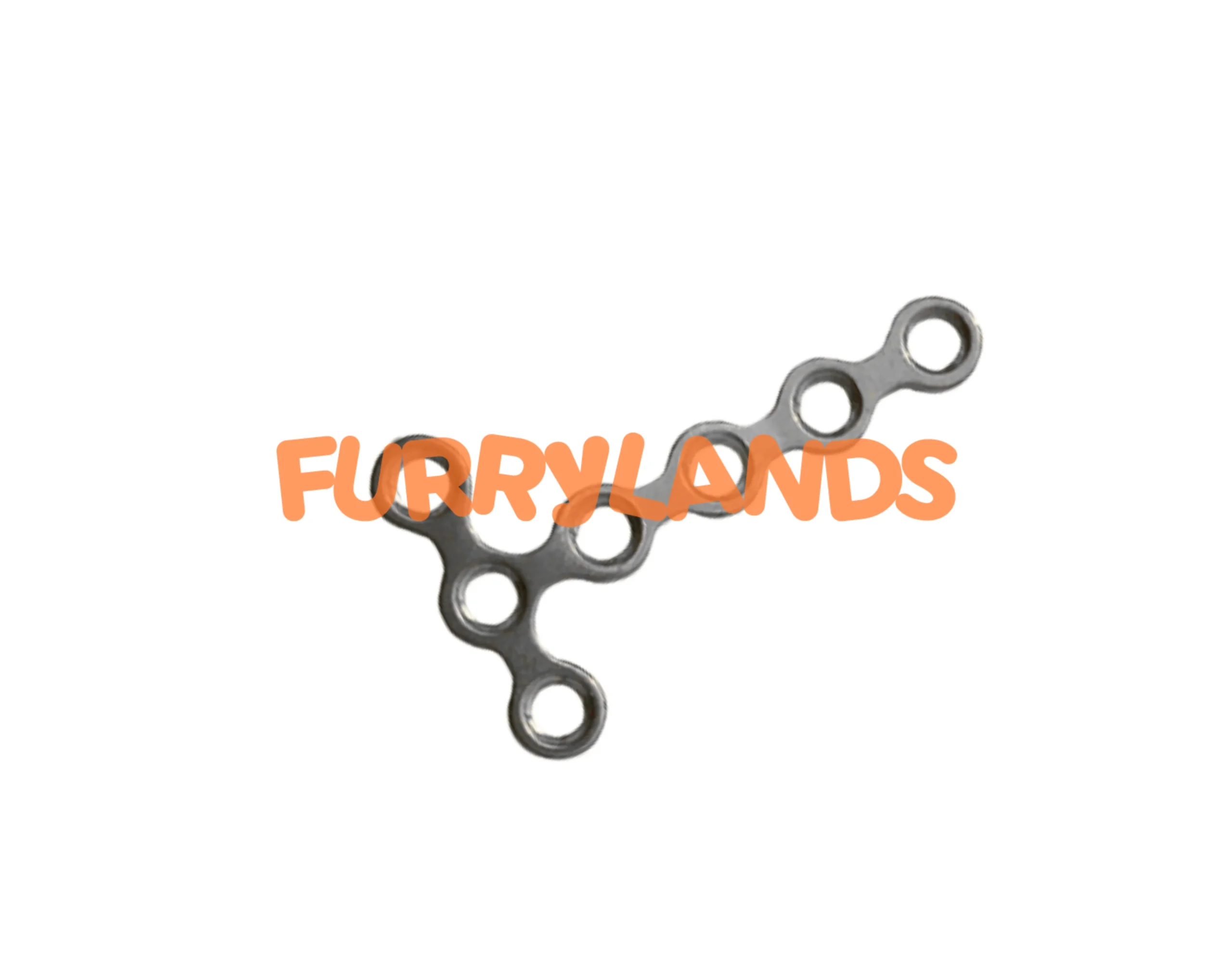
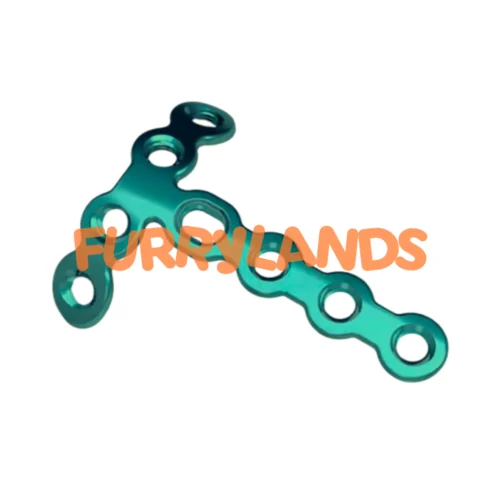
The veterinary three-head locking T-plate 2.0 mm is a precision orthopedic implant designed for stable fixation in small animal skeletal procedures involving metaphyseal and periarticular bone regions. Developed exclusively for veterinary surgical applications, this implant combines a T-shaped head configuration with fixed-angle locking technology to provide controlled stabilization in anatomically challenging areas.
The plate features three head holes positioned in a transverse arrangement, allowing secure fixation near joint surfaces or widened bone segments. This head geometry supports even load distribution and enhances purchase in metaphyseal bone, where traditional straight plates may offer limited stability. The locking interface between the screws and plate forms a rigid construct that minimizes micromotion and maintains alignment throughout the healing phase.
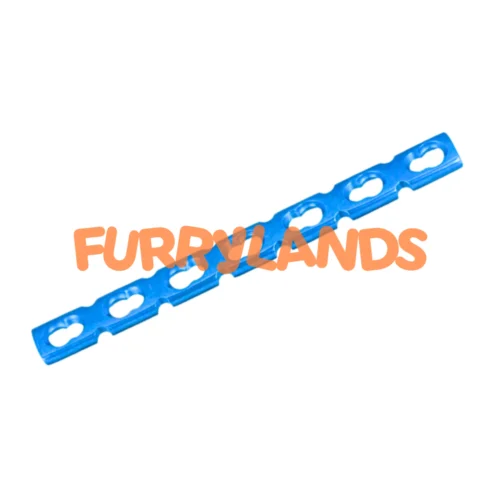
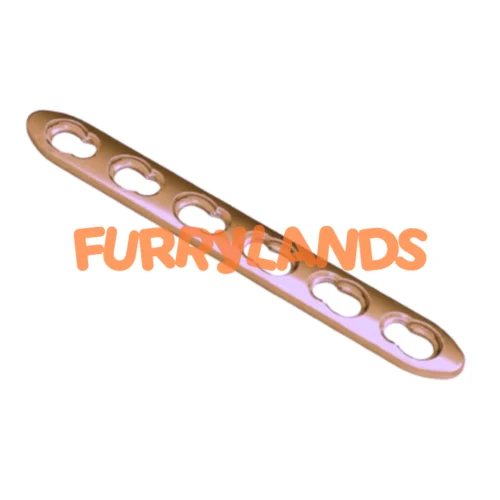
Available in 3-hole, 4-hole, and 6-hole shaft configurations, the veterinary locking T-plate offers flexibility for varying fracture patterns and bone lengths. Surgeons can select the appropriate hole count based on fixation requirements, anatomical access, and desired coverage. This adaptability makes the implant suitable for both focal stabilization and extended support in small animal orthopedic cases.
The straight shaft combined with the transverse head allows precise positioning while preserving axial alignment. The 2.0 mm locking platform is optimized for fine bone structures, making the implant particularly effective in small animal patients where space constraints and bone quality demand accurate fixation. The locking design reduces reliance on friction between plate and bone, improving stability even in compromised bone conditions.
A low-profile plate contour minimizes interference with surrounding soft tissues and helps reduce post-operative irritation. Smooth edges and refined hole geometry improve handling during surgery and support atraumatic implantation. These characteristics are essential in veterinary orthopedics, where soft tissue preservation directly affects recovery quality and mobility.
Veterinary locking T-plates are commonly used in the management of metaphyseal fractures, periarticular injuries, corrective osteotomies, and reconstructive procedures in small animals. The combination of a three-head fixation zone and variable shaft lengths allows surgeons to address a wide range of orthopedic challenges with a single implant family.
Manufactured specifically for veterinary use, this 2.0 mm locking T-plate integrates seamlessly with standard veterinary fixation systems. Its anatomical versatility, reliable locking performance, and refined design make it a dependable solution for veterinary clinics and hospitals managing advanced small animal orthopedic procedures.
Additional information
| Plate Configuration | Locking T-plate with transverse head |
|---|---|
| Locking Platform | 2.0 mm system |
| Head Hole Configuration | 3 locking holes |
| Shaft Hole Options | 3, 4, 6 holes |
| Structural Design | T-shaped head with straight shaft |
| Plate Profile | Low-contact, low-profile contour |
| Intended Species | Small animals |
| Surgical Indication | Veterinary metaphyseal and periarticular stabilization |

Reviews
There are no reviews yet.