
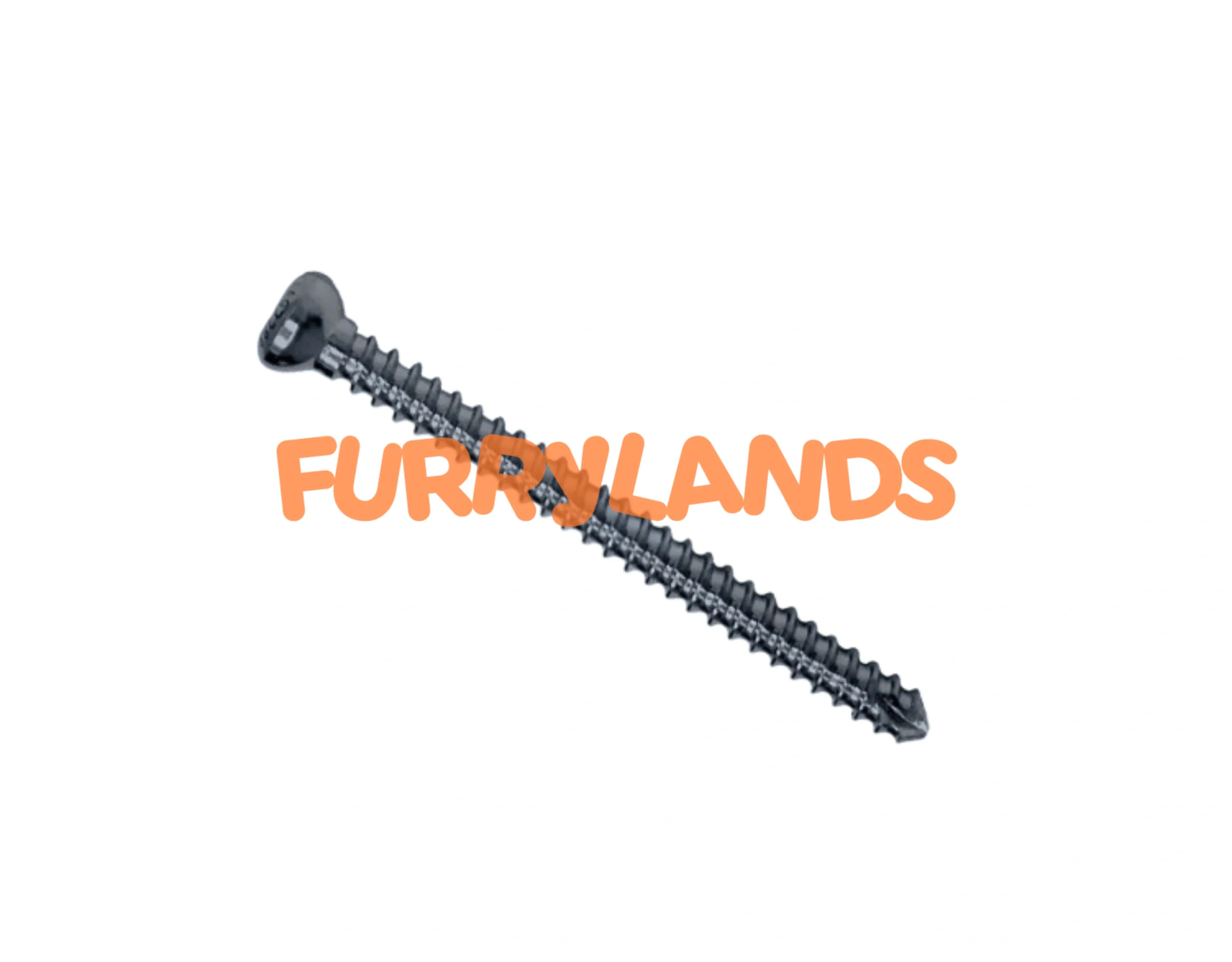

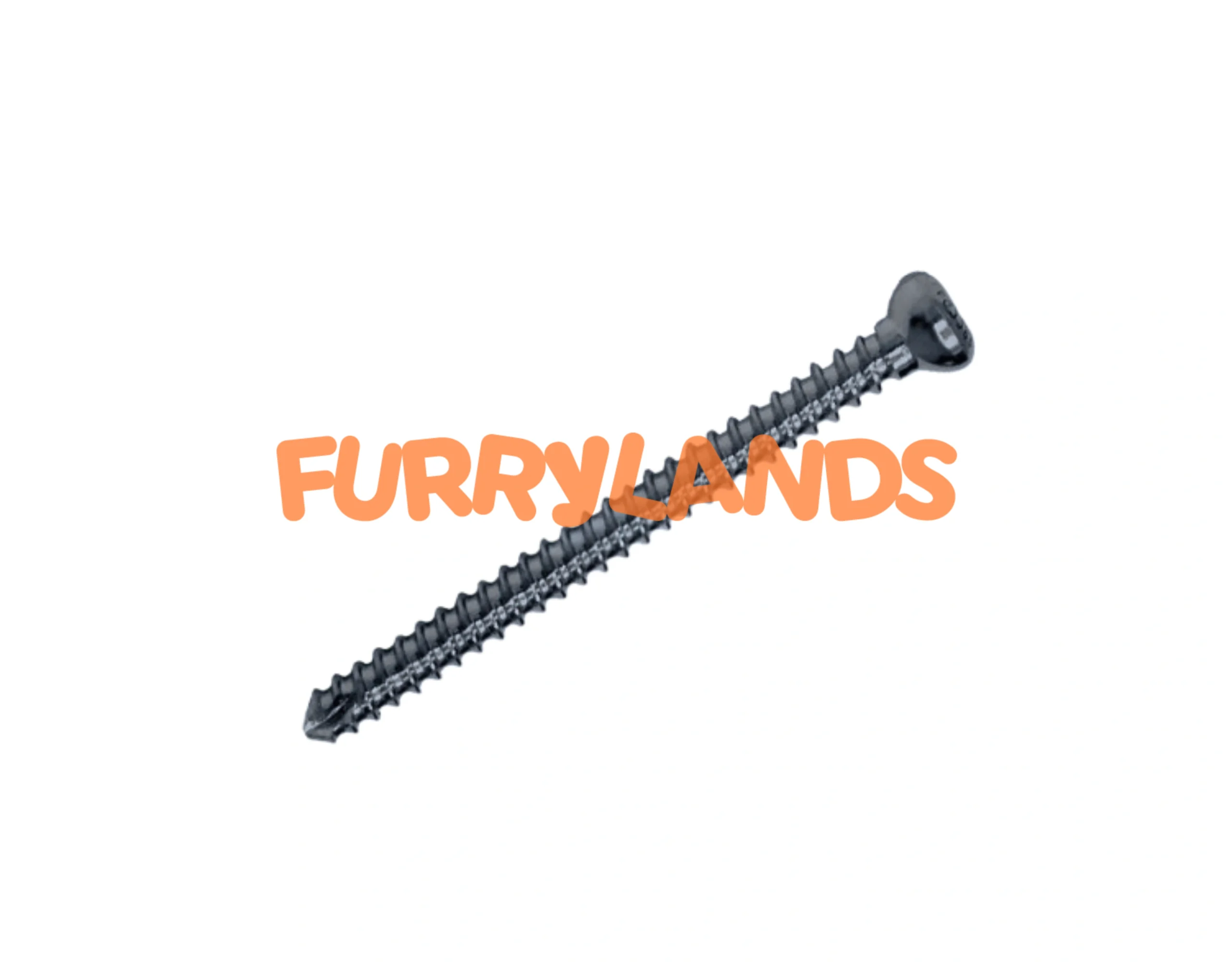
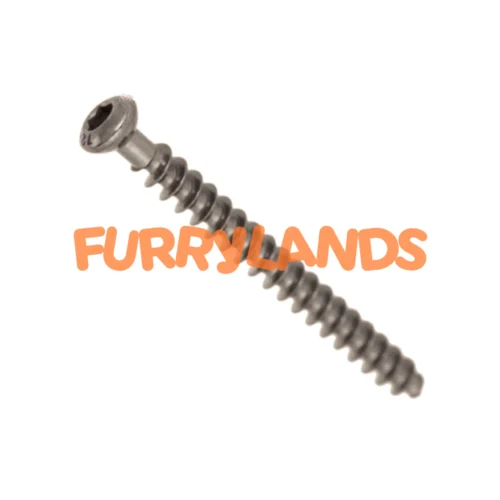
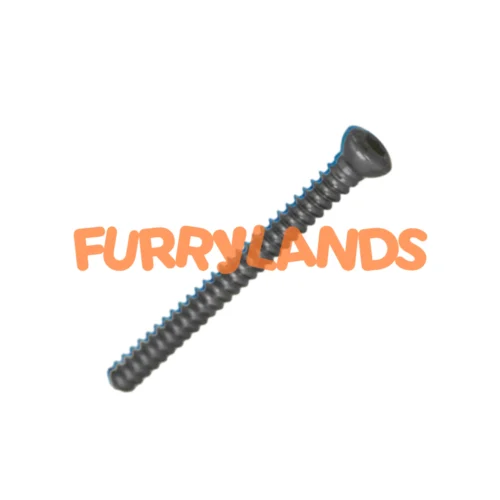
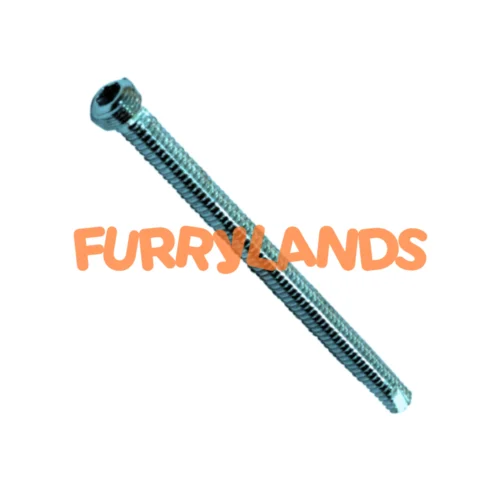
Self Tapping Cortex Screw 3.5mm with Hexagonal Socket High Strength Orthopedic Bone Fixation Screw
-
Self-tapping design eliminates the need for separate tapping
-
Optimized cutting flutes for smooth cortical bone penetration
-
Hexagonal socket ensures strong torque transfer and reduced cam-out
-
Wide length range supports multiple anatomical applications
-
Consistent thread geometry for secure cortical fixation
-
Available in titanium for biocompatibility and stainless steel for strength
-
Smooth surface finish minimizes insertion resistance
-
Suitable for trauma, reconstructive, and general orthopedic use

Description
The Self-Tapping Cortex Screw 3.5mm is designed to meet the demands of modern orthopedic surgery by combining efficiency, precision, and mechanical reliability in a single implant. Its self-tapping thread design allows the screw to cut its own mating threads within cortical bone, eliminating the need for a separate tapping step and significantly reducing operative time. This feature makes it particularly valuable in trauma and emergency procedures where speed and accuracy are critical.
The screw’s 3.5mm diameter provides an optimal balance between strength and versatility, making it suitable for a wide range of orthopedic indications, including fracture fixation, osteotomies, and reconstructive procedures. The carefully engineered thread profile ensures consistent engagement with cortical bone, providing stable fixation and minimizing the risk of loosening under physiological load.
A hexagonal socket drive enhances surgical control by allowing efficient torque transmission during insertion. This design reduces the likelihood of driver slippage and ensures precise seating of the screw head, even in dense cortical bone. The defined head geometry also supports uniform load distribution across the fixation site, contributing to long-term stability.
With available lengths ranging from 10mm to 105mm in 2mm increments, surgeons can select the most appropriate screw length for varying anatomical regions and fracture patterns. This extensive size range supports accurate fixation while preserving bone integrity and reducing the risk of over-penetration.
Material selection is a critical consideration in orthopedic implants. This self-tapping cortex screw is available in titanium and stainless steel, both manufactured to strict medical standards. Titanium offers excellent biocompatibility and corrosion resistance, while stainless steel provides proven mechanical strength and durability. Each option is finished with a smooth, medical-grade surface to reduce insertion resistance and enhance handling.
Beyond clinical performance, this product supports customization and branding requirements. Customer logos, customized colors, tailored sizes, and graphic packaging options are available, making it well suited for distributors, OEM partnerships, and private-label orthopedic programs. Classified as a Class A medical instrument, it complies with standard regulatory expectations for surgical implants.
Overall, the Self-Tapping Cortex Screw 3.5mm delivers efficiency, versatility, and dependable fixation. Its advanced design, broad size availability, and customization options make it a trusted solution for orthopedic surgeons and medical suppliers worldwide.
Additional information
| Screw Type | Self-Tapping Cortex Screw |
|---|---|
| Diameter | 3.5 mm |
| Thread Diameter | 3.5 mm |
| Core Diameter | 2.4 mm |
| Head Diameter | 6.0 mm |
| Drive Type | Hexagonal Socket |
| Drill Bit Used | 2.5 mm |
| Available Lengths | 10 mm to 105 mm (2 mm increments) |
| Material Options | Titanium / Stainless Steel (Inox) |
| Surface Finish | Medical-grade, corrosion-resistant finish |
| Instrument Classification | Class A |
| Customization Options | Customer logo acceptable, customized colors, customer-specific sizes |
| Packaging | Customized packaging with graphic customization |


Reviews
There are no reviews yet.